
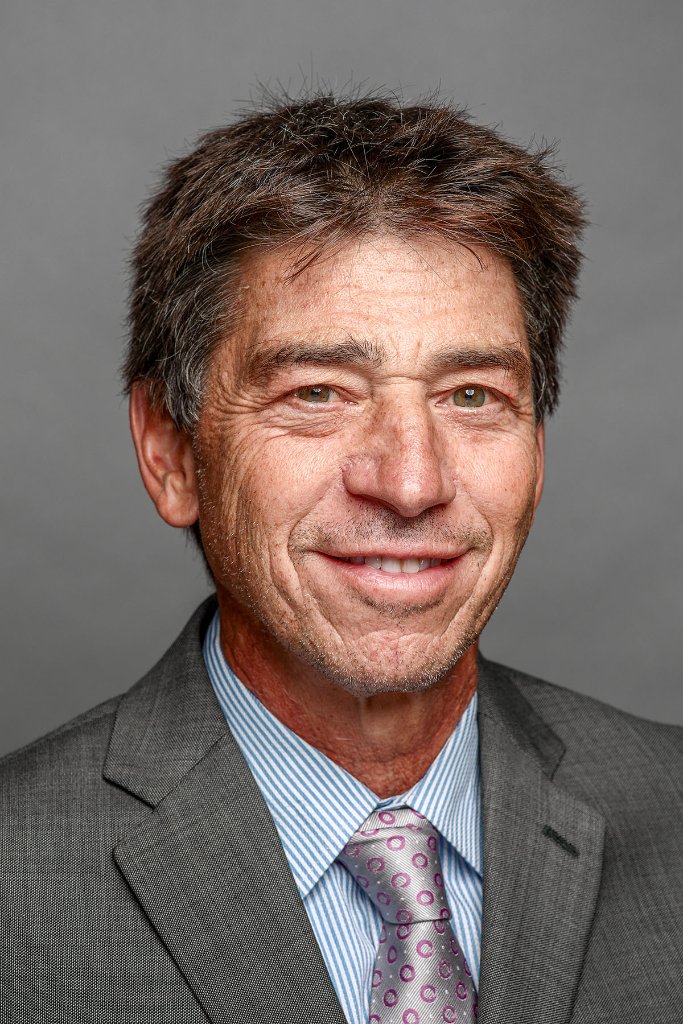
Marc E. Rothenberg, MD, PhD
Director, Cincinnati Center for Eosinophilic Disorders (CCED) | Cincinnati Children's Hospital Medical Center
New Horizons in Diagnosis and Treatment of Eosinophilic Esophagitis (EoE)
Eosinophilic esophagitis (EoE) is a chronic inflammatory condition of the esophagus that affects children and adults worldwide, including in Israel, where awareness and diagnosis of EoE have grown steadily over the past decade. Israeli gastroenterologists, allergists, and dietitians are increasingly encountering patients with symptoms such as feeding difficulties, vomiting, heartburn, abdominal pain, and food impaction—leading to earlier recognition and improved care.
At the same time, global research advances are rapidly transforming how EoE is diagnosed, monitored, and treated. These innovations are opening new horizons for patients and families by making care more precise, less invasive, and more effective.
Advancing Diagnosis: Beyond Repeated Endoscopies
Historically, diagnosing EoE required repeated upper endoscopies with esophageal biopsies—procedures that can be burdensome, especially for children. While endoscopy remains important, research from international centers, including collaborations involving Israeli investigators, is helping move EoE diagnosis into a new era.
Novel minimally invasive tools, such as esophageal sponge or string-based sampling devices, are being developed to measure esophageal inflammation without full endoscopy. In parallel, blood-based and molecular biomarkers are emerging that can detect and monitor disease activity. Research from my laboratory helped define the molecular and genetic signature of EoE, establishing it as a distinct allergic disease rather than a variant of reflux or infection.
Precision Medicine: Tailoring Care to the Individual
EoE is not the same disease in every patient. Some individuals respond best to dietary therapy, others to medications, and some require a combination. A major shift in EoE care is the move toward precision medicine, in which treatment decisions are guided by the underlying biology of each patient's disease.
Our group and others have demonstrated that EoE has a reproducible gene-expression profile, sometimes referred to as the "EoE transcriptome," which can help predict disease activity and treatment response. As these tools mature, they may help clinicians in Israel and worldwide match the right therapy to the right patient earlier in the disease course.
Expanding Treatment Options: From Diets to Biologics
Treatment options for EoE have expanded dramatically. Swallowed topical corticosteroids and elimination diets remain effective and widely used, including in Israeli centers. Importantly, dietary therapy is becoming less restrictive, aiming to balance effectiveness with quality of life.
Perhaps the most exciting development is the approval and continued study of biologic therapies—targeted medications that block key allergic pathways driving EoE inflammation. These treatments have shown strong efficacy in improving symptoms and reducing esophageal inflammation. For example, the drug dupilumab targets the type 2 immune response that we have shown is essential in EoE development, and is now approved by the FDA for EoE and is available in Israel.
A Global Effort, Including Israel
Progress in EoE has been driven by international collaboration. Israeli clinicians and researchers are increasingly contributing to multicenter studies, global patient registries, and shared clinical guidelines. These partnerships accelerate innovation and ensure rapid translation of discoveries into patient care. I have been personally involved in training key Israeli physicians and scientists including Professor Ariel Munitz (Tel Aviv University), Dr. Miguel Stein (Wolfson Medical Center), Dr. Noam Zevitt (Schneider's Hospital) and many others including some scientists in my laboratory at Cincinnati Children's Hospital Medical Center including Drs. Mark Rochman, Yrina Rochman, Nurit Azouz and Netali Ben Baruch.
Looking Ahead
The future of EoE care is focused on earlier diagnosis, fewer invasive procedures, and personalized treatment strategies. For patients in Israel and around the world, these advances translate into better symptom control, reduced complications, and improved long-term health.
About the Author
Marc E. Rothenberg, MD, PhD is a physician-scientist and international leader in eosinophilic diseases. He has authored over 500 scientific publications and has had a central role in defining the biology, diagnosis, and treatment of eosinophilic esophagitis (EoE). His research has helped translate basic discoveries into therapies now improving patient care worldwide.
About the Cincinnati Center for Eosinophilic Disorders (CCED)
Cincinnati Center for Eosinophilic Disorders (CCED), based at Cincinnati Children's Hospital Medical Center, is one of the world's leading clinical and research centers for eosinophilic gastrointestinal diseases. CCED integrates patient care, translational science, and global collaboration to advance innovative diagnostics and therapies for EoE and related disorders.